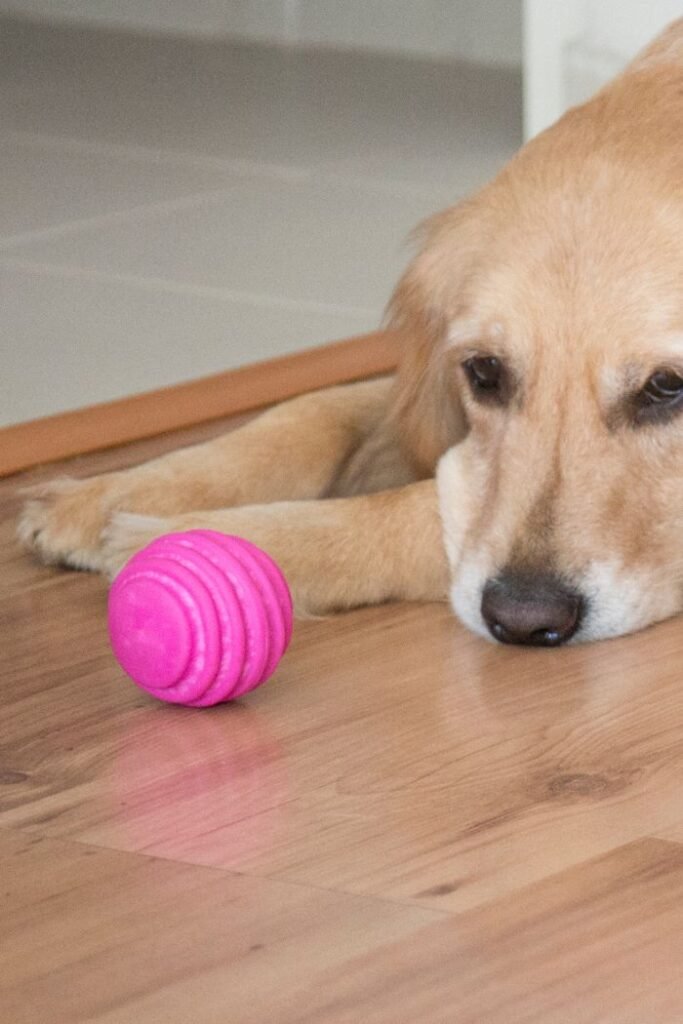
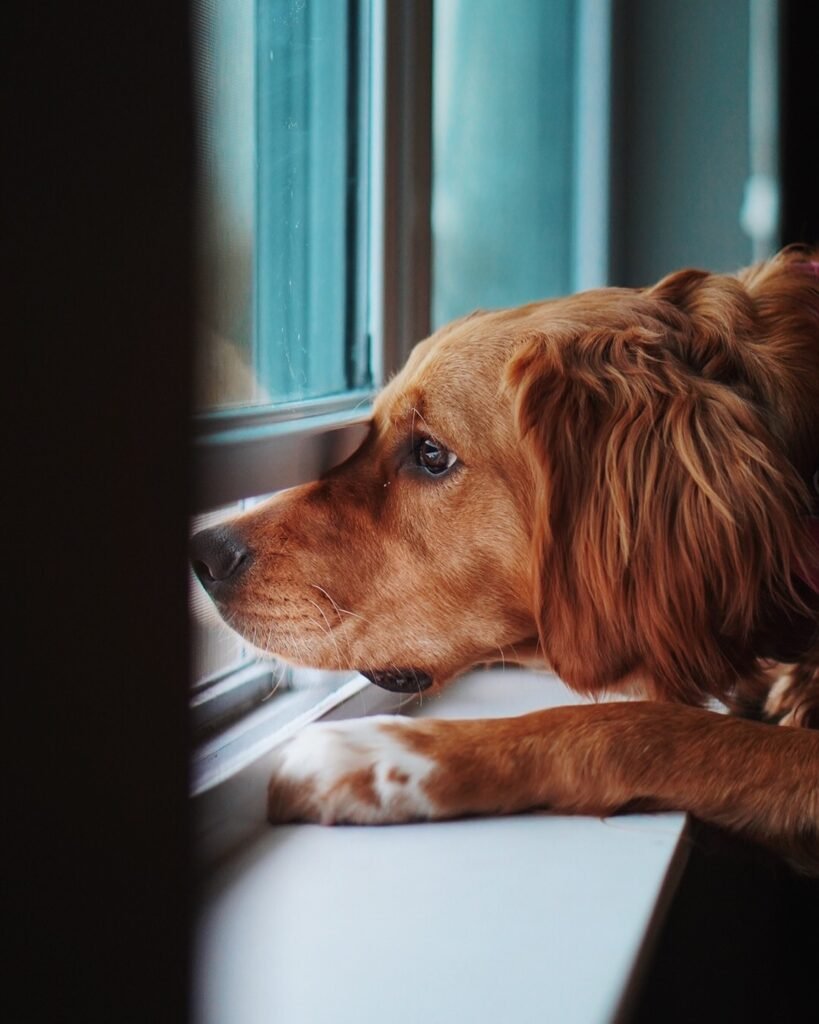
Have you ever walked out the door only to come home and find your dog barking nonstop, chewing furniture, or having “accidents” despite being house-trained? If so, your pup might be showing signs of canine separation anxiety; a real, stress-based condition that affects many dogs. Separation anxiety is not just bad behavior or “naughtiness.” It’s a genuine emotional response to being left alone or separated from the people they love.1
What Causes Separation Anxiety?
Separation anxiety doesn’t have a single known cause, but experts identify several common triggers:
-
- Social attachment: Dogs are social animals. When left alone, some simply feel unsafe or distressed without their family present.
-
- Change in routine: A sudden shift in the way your daily schedule works—like going back to the office after working from home—can trigger anxiety.
-
- Life transitions: Moving houses, losing a family member, or changes in household dynamics may contribute to separation anxiety.
-
- History of abandonment or shelter stays: Dogs adopted from stressful environments or shelters are statistically more likely to develop this condition.
Unlike brief restlessness or boredom, separation anxiety is intense and tied directly to being apart from their caregiver rather than simply lacking stimulation.
Common Signs and Symptoms
A dog with separation anxiety shows stressful behavior that starts around the time you leave and continues until you return—but not when you’re home. Here are typical symptoms:
-
- Excessive vocalization: persistent barking, whining, or howling.
-
- House soiling: indoor urination or defecation despite being house-trained.
-
- Destruction: chewing doors, window frames, or furniture (especially near exits).
-
- Pacing and restlessness: repetitive walking, circling, or inability to settle.
-
- Attempts to escape: dogs may try to break out of crates or confined spaces.
Unlike normal curiosity or play, these behaviors are anxiety-driven and typically occur only when the dog is alone.
Why It Matters
Unmanaged separation anxiety can be distressing for both the dog and the household. A dog under stress may injure themselves while trying to escape, wear themselves out pacing, or engage in repetitive, compulsive behaviors.
Additionally, unresolved anxiety can damage the human–animal bond and make everyday routines stressful instead of joyful.
How to Help a Dog With Separation Anxiety
The good news is that separation anxiety can be managed and often improved with consistent strategies:
1. Gradual Desensitization
This involves slowly helping your dog handle being alone in small steps—starting with very short departures and building up only as the dog remains calm.
2. Build Positive Associations
Many trainers recommend pairing your departures with something enjoyable, like a puzzle toy or food-dispensing treat, to help your dog learn that being alone isn’t scary.
3. Create a Calm Routine
Avoid dramatic goodbyes or excited returns. Staying calm when leaving and arriving helps reduce anticipation of stress.
4. Exercise and Enrichment
A physically tired and mentally stimulated dog is generally more likely to rest calmly when alone.
5. Professional Support
For moderate to severe separation anxiety, a certified animal behaviorist or veterinarian can guide training and, if appropriate, prescribe medications that support anxiety reduction as part of a broader behavior plan.
Final Thoughts
Separation anxiety is not a phase your dog is “choosing” or a sign of stubbornness. It’s a behavioral stress response rooted in distress when separated from their human family. With the right strategies, patience, and sometimes professional help, many dogs can learn to feel calm and confident when alone.